

A Pump Selection Guide for Fuel & Lubrication Handling.
When moving hydrocarbon-based fluids like oil or fuel from one destination to another, efficiency and economy remain paramount. And managing the environmental impact of this action should always be an underlying consideration. So how do we suggest you achieve this? Below is a Guide to Pump Selection
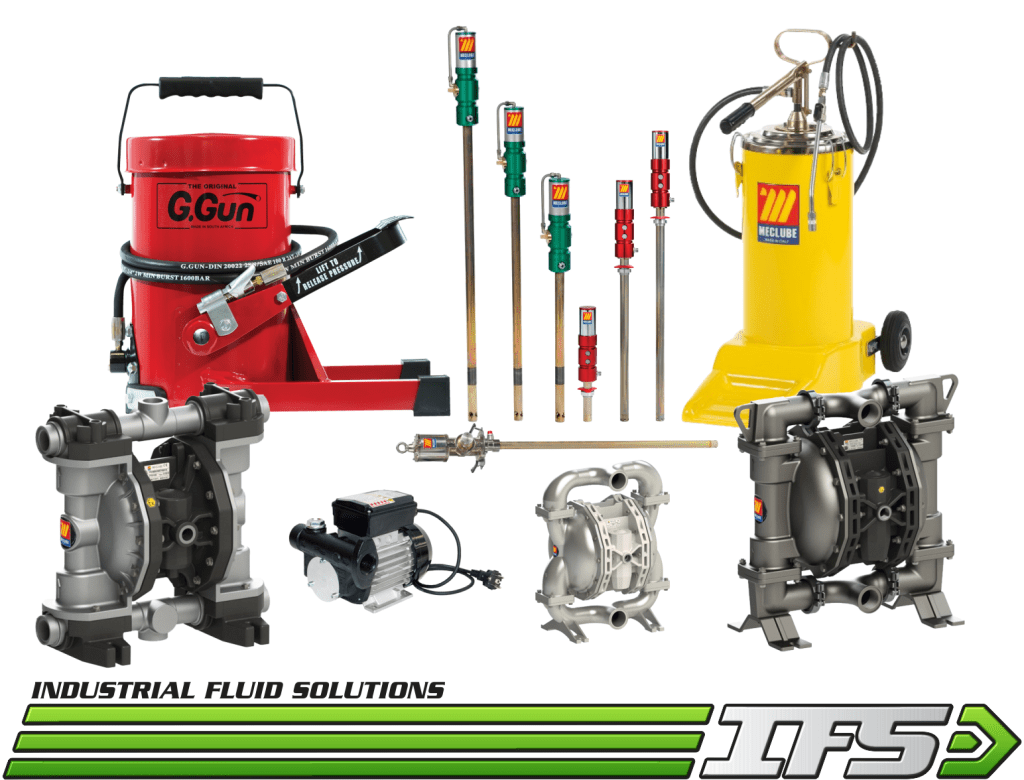
Well, we know that fluid pumping systems have gone through some serious development since first introduced by the early Egyptians. Luckily, modern systems don’t require the ill-fated burden of these systems to pump fluids any longer. The advent of electricity has led to rapid advancement in drive motors behind these fluid pumping systems. Not only has motive technology advanced, but factors that have truly made a huge difference in the pump world include sealing, friction materials and flow path development. This lead to very specific design developments in various sectors. The pumping “game” is truly diversified. Although some similarities exist in the methods deployed, by no means can you ever consider one method as the solution to every application. This is why we’ve created this guide to pump selection.

Industry Best Practice?
Industry best-practice guidelines are always the go-to plan for selecting pumps. Yes, it’s not a very innovative way of going about product selection but doing a thorough investigation into what others in your field are using always proves to be the best starting point. Through continuous development (and some trial and error, of course), each industry established a reference guide as to fluids transfer. This includes what you would consider more economical, maintenance friendly and beter availablility.
Next up I always look at price. Consumers are often led to believe that certain items are of better quality than others, based on price. Perhaps I am just a naive consumer, but in my experience, there is some truth to the concept that “you get what you pay for”. Having said that, even though there is room for the quality argument, I definitely don’t want to be the “dearer is better” advocate. In fact, this is not my experience at all. With 20 years in the Fluid Solutions game I can confidently say that I have seen some underdogs run with the big names. Yes, there are some horses far off course, but the million-dollar stallion is often not much sooner at the finish line than the half price pony (although often somewhat winded)
Through trials and tribulations, we’ve identified a few strains and challenges. So let’s look at some practical examples of these encounters in the fluid handling industry. Let’s see if we can identify any common denominators…
Biggest Challenges
One of the biggest challenges faced, is that of fluid contamination. Whether in the form of solid particles, microbes or moisture, the effects can be devastating for your machinery and equipment. Although the causes of fluid contamination are numerous, a lot of it boils down to poor sealing. As well as fluids that are over exposed to outside elements. Unproper sealing, even if not noticeable to the naked eye, can provide a gateway to water and moisture contamination. This accelerates oxidation causing bacterial growth. It also breaks down fluid particles, all while contributing to tank corrosion.

When working with various fluids, each with its own unique density and viscosity, another challenge arises. This is getting each fluid to do exactly what you want it to. This includes transferring it to a specific destination, within a specific time and at a specific pressure. All while ensuring these fluids hold their desired molecular structure. To understand why this brings upon a challenge, we must first understand what viscosity and density really are. According to Wikipedia, Viscosity is a fluids’ level of consistency which affects its resistance to flow. Viscosity focuses more on the physical consistency of a fluid which affects friction. Density is essentially how tightly the particles, which make up the fluid, are crammed together to create it’s mass. The issue arises in getting the correct equipment and operating conditions properly paired. Specifically to ensure that you can optimally pump both high and low viscosity fluids.
Effects of Fluid Handling
While we’re on the subject of operating conditions, it brings up the opportunity to discuss the effects on fluid transfer. An article by E. C. Fitch which appeared in Machinery Lubrication states:
”At low temperatures, fluid often reaches the point where it actually congeals and will no longer flow (pour point). High temperature also accelerates wear, destroys hydrodynamic lubrication regimes, increases the oxidation rate, fosters additive depletion and affects other critical aspects of the machine.”
E. C. Fitch
When temperature is not taken into consideration when dealing with fluid transfer – serious damage to a fluid system can occur. Especially if the system does not achieve fluid temperature stability within an appropriate range. Even more so if it maintains said temeprature throughout the operating period. Another factor to consider in operating conditions is your actual location. Or more so – the practicality which can be achieved with your location. It wouldn’t be practical to have a technician lubricate bearings on a stationary machine with a grease gun whenever he has spare time. This bring about room for inaccurate dosage, contamination and ultimately, accelerated machine wear. Conversely, numerous smaller workshop-based equipment with no fixed schedule for continuous operation would best benefit from properly executed manual lubrication. And the portability benefits which come with it.
From the above examples we can conclude that in many cases it boils down to equipment selection. Pumps and related component selection.
Choosing the right Pump
In this Guide to Pump Selection choosing the correct fluid pump is much more important than you may think. Pumps can be classified for different applications. Making use of one suited specifically to your application will lead to the best results.
Electric pumps provide a clear advantage over diesel driven pumps when it comes to operating efficiency. Not only saving in operating costs and lower maintenance, but can also provide an easy integration with digital controls. Also less noise and a reduced environmental impact. On the other hand, access to electricity is not always readily available. This is where Pneumatic pumps come into play. Pneumatic systems require a constant delivery of air to operate. And seeing as air is always available in the atmosphere around us, this shouldn’t be much of a problem. If you’re able to properly maintain your compressor for that optimum required pressure, pair it with a good air filtration and regulator system, then you’ve got yourself a winner!
Pneumatic double diaphragm pumps not only offer the benefit of air operation, but a few added advantages as well. Making use of this positive displacement technology means you can have a constant speed of flow for both highly viscous and corrosive fluids. These pumps contain no impellers or other moving parts exposed to the fluids which makes it perfect for pumping volatile or dangerous liquids.

What about Manual Pumps?
When it comes to oil and grease transfer, the big systems may not always be practical when small application is infrequently required. This is why manual lubrication still lives! As a guide to pump selection: Handle pumps and foot operated greasers are able to hold a significant amount of grease. All this while still being portable enough to cater to various machines or equipment one after another. For quick oil drum dispensing without the use of electricity or compressed air, a little bit of elbow grease and a manual rotary pump will surely suffice. Lastly, for a simple, compact, lightweight and ergonomically efficient piece of equipment perfect for quick and hassle free lubrication, a handheld lubricator will fit your requirements.

So what happens when you make the wrong selection? Well, the results may vary and can range from a loss in efficiency to a complete breakdown in equipment and process. There’s literally a book on this! Yes, generally there is enough material at our disposal these days to make an educated decision on which type of solution will suit each application. I have found that every minute spent on research will save you hours of sorrow in the future. After that, you’re on your own. It’s a jungle out there, so get your flannels and Safari hat and head out to the plant to check on your maintenance schedules. Because it doesn’t matter how much you’ve spent on your pumps. If you don’t maintain it with a basic maintenance program, it won’t deliver on your expectations. An article by Thomas A. Westerkamp which appears in Facilitiesnet shows you exactly how it should be done! And if you’ve used our guide to pump selection you should be ready for any challenge.


