

We all agree that proper lubrication is essential for the optimal performance and longevity of machinery. Manual lubrication, however, can be time-consuming, costly, and even hazardous for workers. That’s where automatic lubrication systems enter the workplace. These systems provide continuous and precise lubrication to machinery, reducing the need for manual lubrication and improving equipment performance. And durability.

Let’s take a closer look at the benefits of automatic lubrication systems and the different types available.
1. Improved Safety: Automatic lubrication systems can improve workplace safety. It does so by reducing the need for manual lubrication, which can be hazardous for workers. With automatic lubrication systems, workers don’t need to climb on or around machinery to perform lubrication. Thus reducing the risk of accidents and injuries.
2. Increased Equipment Life: Proper lubrication is essential for the longevity and optimal performance of machinery. Automatic lubrication systems supply a pre-determined, exact dosage of lubricant at precise intervals. The system ensures that the equipment is always properly lubricated. This practice eliminates over or under greasing, and in return extending the expected life of components by reducing wear caused by friction and heat.
3. Reduced Downtime: Manual lubrication can be time-consuming, especially for large or complex machinery. Automatic lubrication systems can reduce downtime by continuously lubricating equipment while it is in use, eliminating the need for time-consuming manual lubrication.
4. Cost Savings: Automatic lubrication systems can lead to significant cost savings over time. By reducing the need for manual lubrication, they can reduce labour costs and increase equipment lifespan, reducing the need for costly repairs and replacements.
5. Improved Lubrication Accuracy: Automatic lubrication systems ensure precise lubrication, lubricating machinery exactly where it needs to be. This can improve equipment performance and reduce the risk of damage or wear caused by improper lubrication.
6. Environmental Benefits: Automatic lubrication systems can help to reduce the environmental impact of machinery. It does so by minimizing the amount of lubricant used and reducing the risk of spills or leaks.
Types of Automatic Lubrication Systems
Single-line Systems

Single-line systems are the simplest type of automatic lubrication system. These systems consist of a pump that delivers lubricant through a single supply line to lubrication points. These are each fitted with an injector. The system connects all these lubrication points with a main pressure line and feeds the line of injectors until reaching a pre-set pressure. The pump pauses and releases pressure to reset all the injectors for the next pump cycle once the system reaches pressure. These robust systems find extensive use in large mobile equipment, such as construction and mining equipment, where high or varied dosages are necessary.
Dual-line Systems

Dual-line systems use two supply lines and a change-over valve to deliver lubricant to the lubrication points fitted with dosage blocks. The supply lines alternate the delivery of lubricant to the dosage blocks, switching from one to the other when the alternative line reaches system pressure. The adjustable pause time between cycles makes this type of system suitable for very large systems. Escpecially where the delivery pressure requirements increase because of large volumes of lubricant, high viscosity lubricant, or long secondary lines. For example as in paper and steel mills.
Progressive Systems
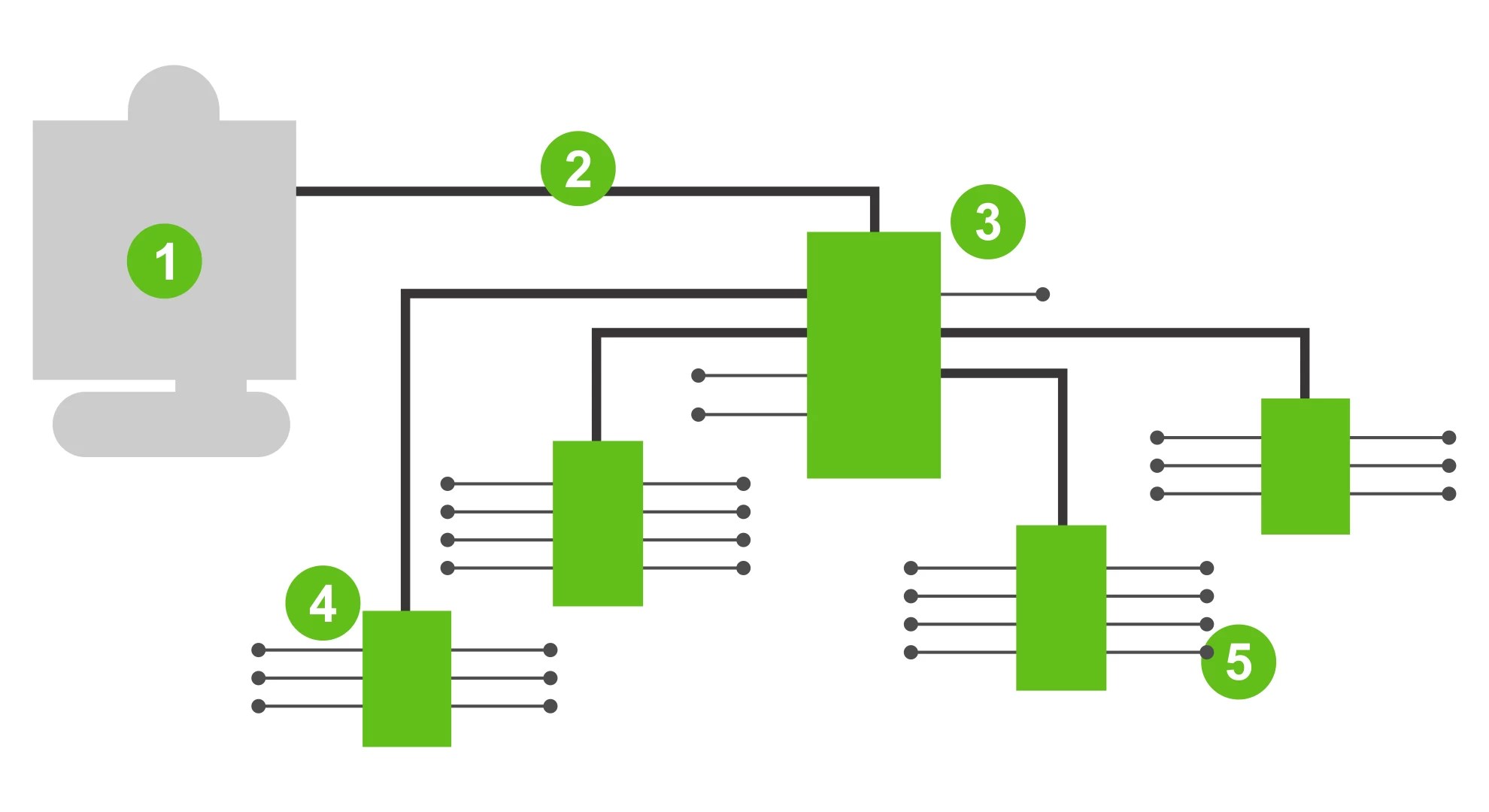
Progressive systems have a wide variety of applications. From packaging lines to mobile equipment because of the relative complexity that one can design into a compact package. This system uses a centrally located pump and a series of progressive metering blocks to dispense measured doses of lubricant to the lubrication points. These dosage block contain interconnected measuring chambers where a piston ejects a specific volume of lubricant to each of the many outlets. Outlets vary from 6 to 14 and you can configure or combine these to deliver many combinations of dosages. Thus ensuring that each lubrication point receives the correct amount of lubricant.
Circulating Oil Systems
Circulating oil systems use a pump to circulate oil through a closed loop system. The oil is filtered and cooled before being returned to the system. Circulating oil systems are often used on large machinery, such as turbines and compressors, where a constant supply of clean oil is required.
Oil Mist Systems
Oil mist systems use compressed air to atomize oil into a mist. This mist delivers lubricant to the lubrication points. The mist provides a fine coating of oil, which reduces friction and wear on the equipment. Oil mist systems are often used on high-speed equipment, such as tooling and compressors, where traditional lubrication systems cannot keep up with the high speed of the equipment.
In conclusion, automatic lubrication systems offer numerous benefits. Yet, to optimize performance you need to install the correct system for the specific application. Each type of automatic lubrication system has unique features, and often limitations, dependant on the application and equipment needing lubrication. Factors determining the selection of system type include volume, distance, viscosity, and temperature for businesses that rely on heavy machinery. Improved safety and reduced downtime allow businesses to operate more efficiently and effectively. With a variety of types available, businesses can choose the system that best fits their specific needs so consulting with one of our lubrication experts can help determine which system is best suited for your specific application.
For assistance in choosing the correct lubrication system for your machinery please contact our sales team at +27 13 690 1175 or sales.support@ifsworld.co.za. You can also have a look at our extensive range of automatic lubrication products here.


