

Diesel theft in South Africa isn’t always dramatic. While some incidents involve organised criminals and even violent confrontations, many cases are far less obvious. Small amounts of fuel disappear over time, often going unnoticed until the losses become significant. For many businesses, diesel theft prevention has become less about reacting to a single incident and more about identifying losses early, reducing opportunities for theft, and using physical protection systems such as Diesel Guard to make fuel harder to access.
It happens in yards, at construction sites, on farms, in depots, and even on the roadside when vehicles are parked overnight. Rather than one obvious theft, businesses often notice fuel records that don’t quite add up, higher-than-expected consumption, or stock levels that never seem to match what’s been dispensed. By the time the pattern becomes clear, the losses have often been happening for weeks or even months.
The scale of the problem (it’s bigger than most people think)
South Africa doesn’t have a single national dataset that captures every incident of diesel theft, largely because many businesses never report smaller losses and authorities often record incidents under broader theft categories. Even so, industry research and fleet monitoring consistently show that diesel theft is a significant and ongoing problem.
Some industry estimates suggest that fuel theft accounts for around 10% of total fuel costs in affected operations through siphoning, skimming, and other forms of unauthorised fuel removal.
Fleet management studies have produced equally concerning findings. In South African logistics environments, theft and illegal redistribution affect an estimated 15% to 20% of diesel in circulation, including fuel stolen from vehicles and losses at depots.
For a fleet operator, even losing 25 to 50 litres of diesel per vehicle each week can translate into tens of thousands of rand over the course of a year, before considering the additional costs of downtime, disrupted operations, or contaminated fuel.
Where diesel theft actually happens
Diesel theft can happen almost anywhere we store fuel or leave vehicles unattended. Certain environments, however, present more opportunities than others.
Common hotspots include:
- Overnight parking yards where vehicles are left unattended for long periods.
- Construction and mining sites with multiple contractors and heavy equipment.
- Farms and rural depots where fuel storage is often isolated.
- Border posts and truck stops where vehicles remain stationary for extended periods.
- Transport depots and loading zones with predictable vehicle movements and refuelling schedules.
Any location with accessible fuel and limited oversight becomes a potential target.

Why it often goes unnoticed
Detecting diesel theft isn’t always straightforward because fuel consumption naturally varies from day to day. Vehicle load, driving conditions, idling time, terrain, weather, and route changes all influence fuel consumption, which makes theft difficult to identify without accurate monitoring.
Early warning signs often include:
- Higher-than-expected fuel consumption.
- More frequent refuelling.
- Differences in fuel usage between similar vehicles or routes.
- Discrepancies between fuel dispensed and fuel recorded.
On their own, these signs don’t necessarily indicate theft. Together, however, they can reveal a pattern that warrants investigation.


The Real Impact Isn’t Just the Fuel
The immediate loss is obviously the diesel itself, but that’s only part of the cost. Every litre that’s stolen has the potential to affect productivity, scheduling, and profitability.
Unplanned fuel shortages can lead to:
- Delayed deliveries
- Idle vehicles and lost working hours
- Emergency refuelling costs
- Disrupted route planning
- Additional time spent investigating fuel discrepancies
Many businesses also find themselves investing in extra security measures to reduce the risk of future theft. CCTV systems, improved lighting, perimeter fencing, access control, security patrols, and fuel monitoring systems all help, but they come with their own installation, maintenance, and operating costs.
When these expenses are added to the value of the stolen fuel and the operational disruption it causes, the true cost of diesel theft is often far higher than most businesses realise. In many cases, investing in preventative measures from the outset can prove far more cost-effective than continually dealing with the consequences.
So Where Does Prevention Actually Start?
Preventing diesel theft isn’t about relying on a single solution. It starts by reducing opportunities for theft while making any attempt to access the fuel as difficult and as obvious as possible.
That means combining good operational practices with appropriate physical security and fuel monitoring. The goal isn’t simply to identify theft after it has happened, but to discourage it from happening in the first place.
That’s where Diesel Guard from IFS comes in.
Diesel Guard: Making Fuel Harder to Steal, Easier to Protect
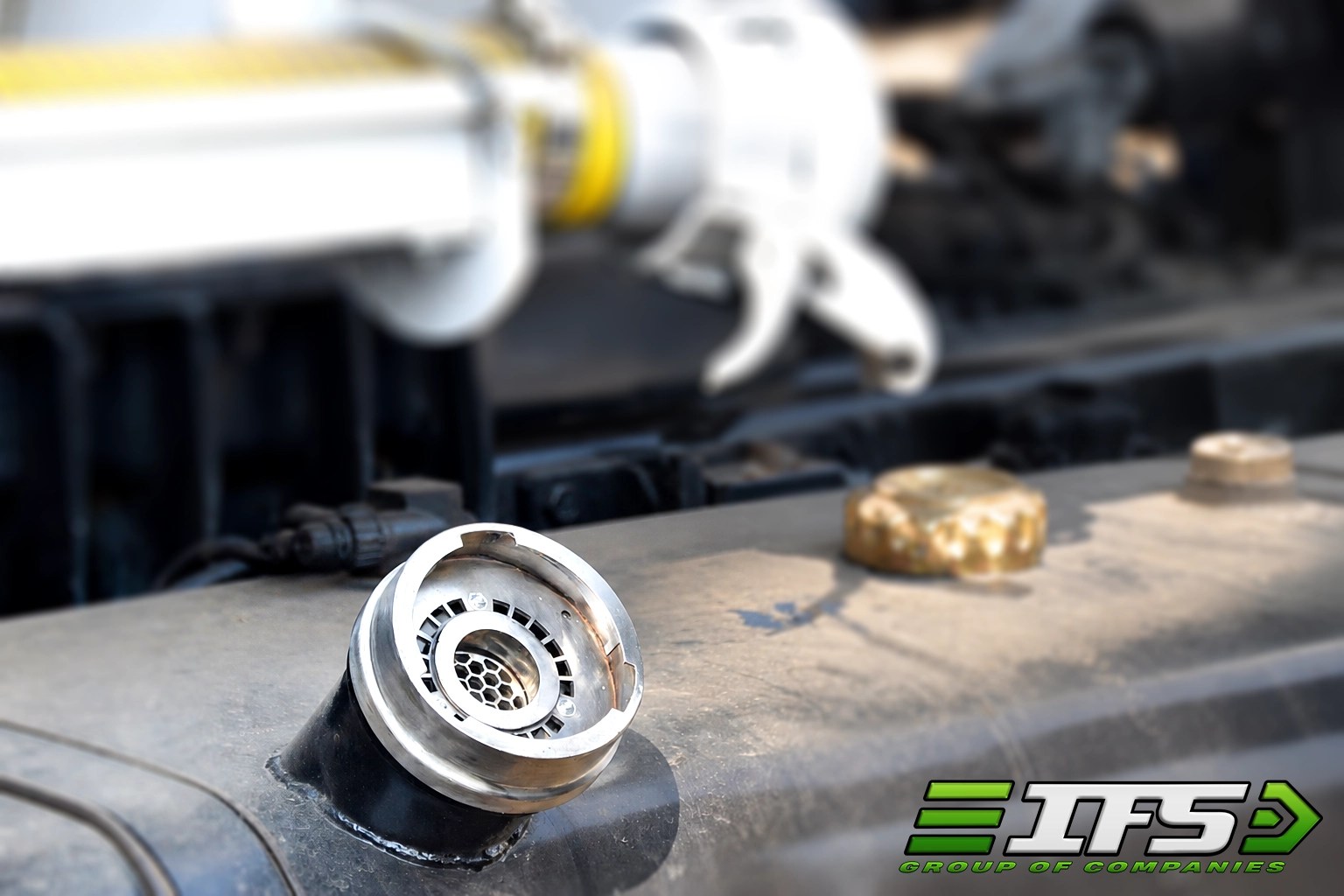
Diesel Guard is a physical fuel protection system that limits access to diesel inside vehicle tanks and helps prevent siphoning and unauthorised fuel extraction.
While telematics and fuel management systems are valuable for identifying unusual fuel usage, they typically detect a problem only after fuel has already been lost. Diesel Guard provides a physical barrier that helps prevent easy access to the fuel tank, making theft significantly more difficult while complementing existing monitoring systems.
In practical terms, Diesel Guard helps by:
- Reducing direct access to fuel tanks
- Making siphoning significantly more difficult
- Provides visible evidence if there was an attempt at tampering
- Acting as a physical deterrent in high-risk environments
Rather than replacing fuel monitoring or operational controls, Diesel Guard adds another layer of protection that helps reduce both fuel losses and the need for increasingly expensive security measures.
Why It Matters More Than Ever
Fuel has always been one of the biggest operating expenses for businesses that rely on vehicles and equipment. But with diesel prices remaining volatile and operating costs continuing to rise across the transport, mining, construction, agriculture, and logistics sectors, protecting every litre has become more important than ever.
What might once have been dismissed as “only a few litres” can quickly become a significant financial loss when it’s repeated across an entire fleet. Even small, regular thefts add up over weeks, months, and years, eroding margins that are already under pressure from higher fuel prices, maintenance costs, wages, insurance, and compliance requirements.
Unlike many operational costs that businesses have little control over, diesel theft is one area where proactive measures can make a measurable difference. Reducing the opportunity for theft doesn’t just protect fuel. It protects productivity, improves accountability, and helps businesses avoid the growing costs associated with replacing stolen diesel and increasing site security.
Final Thought
Diesel theft in South Africa isn’t disappearing. In fact, as fuel prices increase and criminal activity becomes more organised, the incentive to steal diesel only grows.
Whether it’s a single high-risk incident involving organised criminals or small amounts disappearing over time, the impact on a business can be substantial.
The question isn’t simply whether diesel theft happens. It’s whether the right measures are in place to prevent it, detect it quickly, and minimise its impact before small losses become an expensive problem.
Investing in fuel security isn’t just about protecting diesel. It’s about protecting the efficiency, profitability, and long-term resilience of the entire operation.

